Affordable Housing Myths in Gwinnett County: What You Need to Know
BI
Understanding Affordable Housing in Gwinnett County
Affordable housing is a topic that often comes with its share of misconceptions, especially in areas like Gwinnett County. As the county continues to grow, understanding the realities of affordable housing becomes increasingly important. By dispelling common myths, we can gain a clearer picture of what affordable housing truly means for the community.
Myth 1: Affordable Housing Lowers Property Values
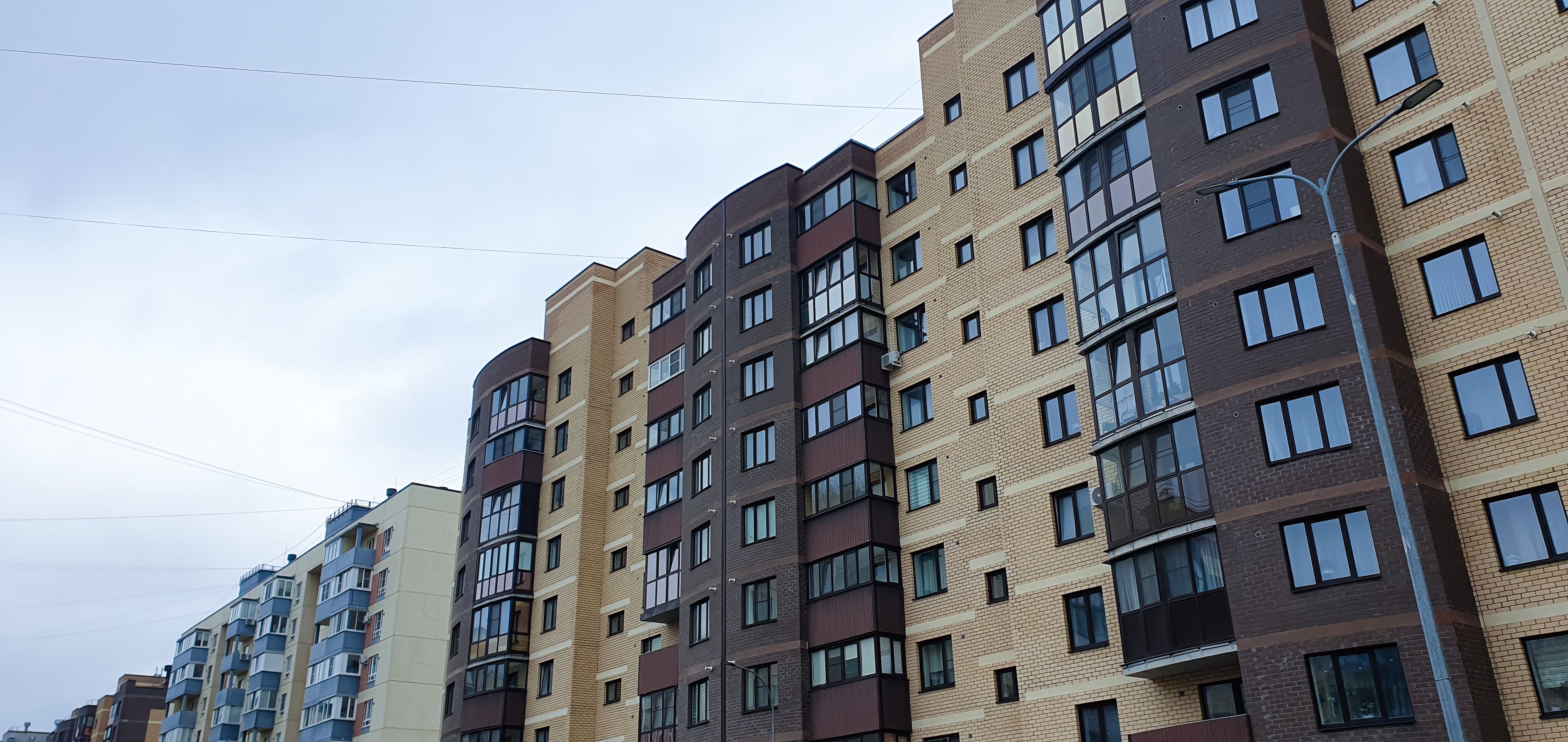
A common myth is that affordable housing negatively impacts surrounding property values. Research consistently shows that well-designed affordable housing can integrate seamlessly into communities, often with no negative effects on property values. In many cases, it can even contribute positively by enhancing neighborhood appeal.
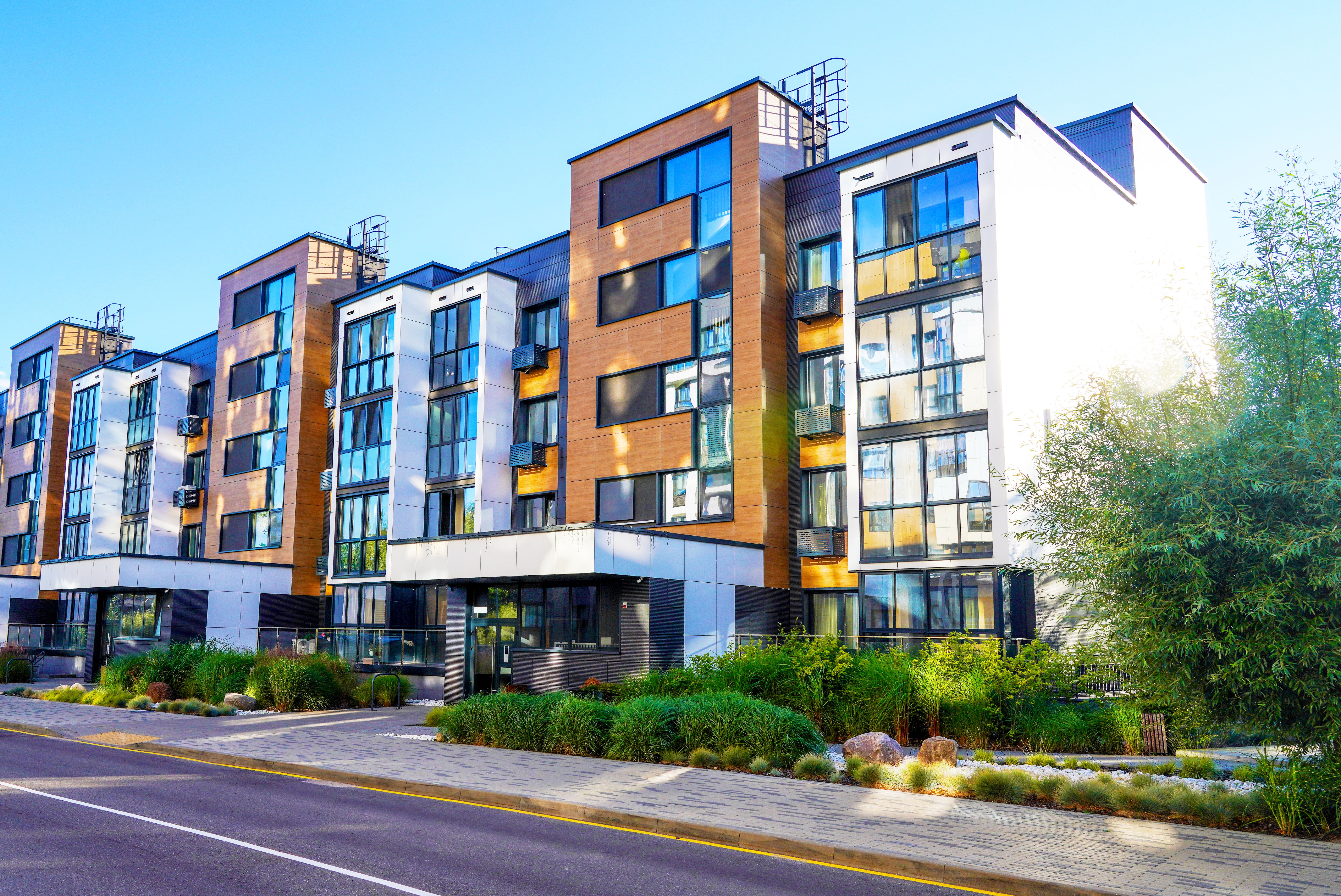
For instance, affordable housing developments often include attractive landscaping and modern architecture, aligning well with existing community aesthetics. These enhancements can boost local property values rather than diminish them.
Myth 2: Affordable Housing Is Poorly Constructed
Another misconception is that affordable housing is poorly built or maintained. In reality, affordable housing must meet specific state and federal guidelines, ensuring quality construction and ongoing maintenance. Developers often use sustainable building practices, creating energy-efficient homes that are both cost-effective and environmentally friendly.
Myth 3: Affordable Housing Only Benefits Low-Income Families
While affordable housing primarily targets low-income families, its benefits extend much further. Teachers, healthcare workers, and other essential service providers often rely on affordable housing options to live near their places of work. This proximity enhances community stability and reduces traffic congestion, benefiting everyone in the area.
Having a diverse range of housing options is crucial for a thriving local economy, supporting workers across various industries and contributing to the overall vitality of Gwinnett County.

Myth 4: Affordable Housing Increases Crime Rates
Concerns about crime often arise in discussions about affordable housing, but studies show no direct correlation between affordable housing and increased crime rates. In fact, stable and affordable housing can help reduce crime by fostering stronger community ties and providing residents with a sense of stability and security.
Communities that invest in affordable housing often experience lower crime rates overall, as residents are more likely to engage in community activities and support local businesses.
Conclusion: The Realities of Affordable Housing
Addressing these myths is crucial for fostering a better understanding of affordable housing in Gwinnett County. By recognizing the positive impacts of affordable housing, communities can work together to support sustainable growth and development. As Gwinnett County continues to evolve, embracing affordable housing solutions will be key to ensuring a vibrant and inclusive future for all residents.