Common Misconceptions About Rental Assistance in Georgia
BI
Understanding Rental Assistance Programs
Rental assistance programs are designed to help individuals and families who are struggling to pay rent. However, there are several misconceptions surrounding these programs, especially in Georgia. It's important to clear up these misunderstandings to ensure that those in need can access the help they require.
One common misconception is that rental assistance is only for the unemployed. In reality, many employed individuals also qualify for assistance due to low wages or high living costs. This misconception can discourage working families from seeking the help they need.

Eligibility Criteria
Another frequent misunderstanding is related to eligibility criteria. Some believe that only those below the poverty line can apply for rental assistance. While income is a factor, eligibility often extends to those facing unexpected hardships, such as medical emergencies or sudden job loss. It’s crucial to check specific program requirements, as they can vary.
Additionally, some people think that rental assistance covers all types of housing. However, assistance is usually targeted at specific types of housing, such as low-income apartments or government-subsidized units. Understanding these specifics can help potential applicants better prepare their applications.

Application Process
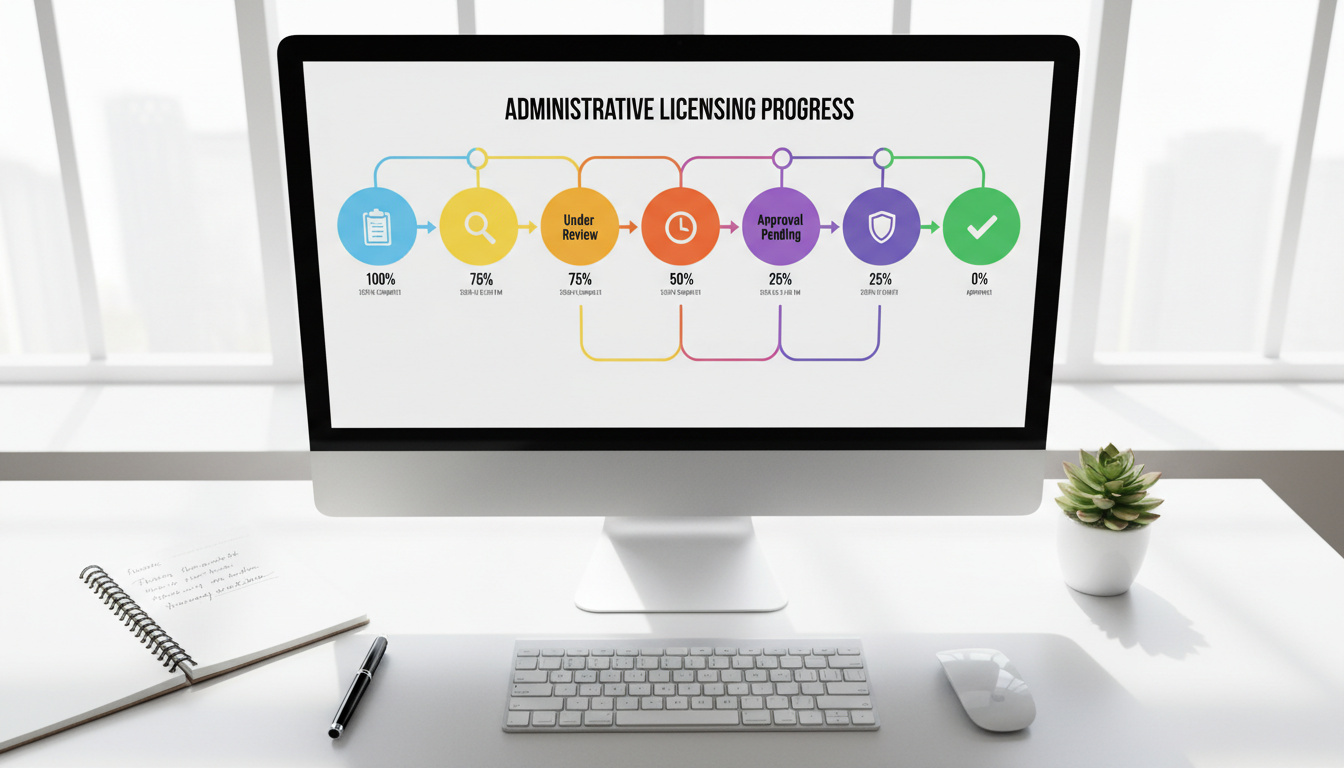
The application process for rental assistance can appear daunting, leading to another misconception: that it’s not worth the effort. While it can be detailed, many organizations offer resources and support to guide applicants through the process. Understanding the required documentation and deadlines can significantly streamline the application.
Moreover, there’s a belief that rental assistance is a one-time benefit. In truth, many programs offer ongoing support, contingent on continued eligibility. This can provide sustained relief for families striving to regain financial stability.
Impact on Tenancy
Some renters worry that receiving assistance might negatively impact their relationship with landlords. However, rental assistance is designed to benefit both parties by ensuring rent is paid on time. Many landlords view it as a positive arrangement, as it guarantees a steady income stream.
It’s also a common myth that accepting assistance labels a tenant as unreliable. On the contrary, it demonstrates a proactive approach to managing financial challenges, which many landlords appreciate.
Long-term Benefits
Finally, there is a misconception that rental assistance offers no long-term benefits. In reality, these programs provide crucial support that can prevent eviction, reduce stress, and enable families to focus on other important areas like education and employment. By stabilizing housing, individuals can concentrate on advancing their situation without the constant fear of losing their home.
Understanding and dispelling these misconceptions is vital for ensuring that rental assistance reaches those who need it most. By spreading accurate information, we can help more people access the support they deserve.