Common Misconceptions About Rental Assistance in Georgia
BI
Understanding Rental Assistance Programs
Rental assistance programs in Georgia are designed to help individuals and families who are struggling to pay their rent. These programs are crucial for maintaining housing stability and preventing homelessness. However, there are several misconceptions that can hinder access to these resources.
Many people assume that rental assistance is only available to those who are unemployed, but this is not the case. Individuals who are employed but facing financial difficulties may also qualify for assistance.

Eligibility Misunderstandings
One common misconception is that rental assistance is only for low-income households. While income is a factor, it is not the sole criterion. Other factors, such as family size, current financial situation, and unforeseen circumstances, are also considered.
Another misunderstanding is that assistance is only available to long-term residents. In reality, newer residents may also be eligible, provided they meet the program's requirements.
Application Process Confusion
Many believe the application process for rental assistance is overly complicated and time-consuming. While it does require documentation and verification, the process is straightforward and designed to be as accessible as possible.
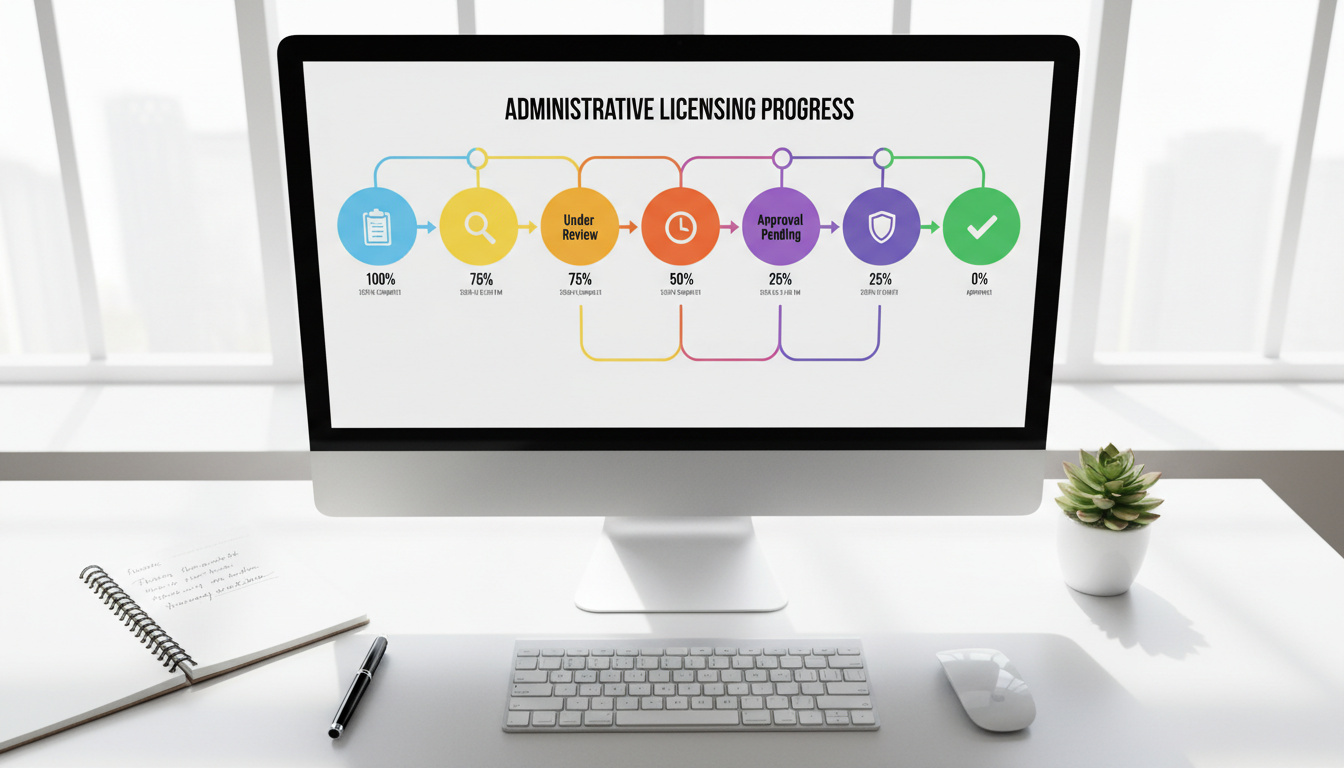
Online applications have made it easier for applicants to submit their information and receive timely responses. Local agencies often provide support to help applicants complete the process efficiently.
Funding Availability
There is a misconception that rental assistance funds are limited and quickly depleted. While funds can be competitive, Georgia has received increased funding in recent years to support a growing number of applicants.
It is important to apply as soon as possible and stay informed about new funding opportunities to maximize the chances of receiving assistance.

Impact of Rental Assistance
Some people believe that rental assistance offers only temporary relief. However, the support can provide long-term stability by helping families regain financial footing and avoid eviction.
Rental assistance can also positively impact local communities by reducing homelessness and its associated social and economic challenges.
Conclusion
Understanding the realities of rental assistance programs in Georgia can help dispel common misconceptions and encourage those in need to seek assistance. By recognizing the eligibility criteria, simplifying the application process, and knowing the impact of these programs, more individuals can benefit from the vital support they offer.